How it started
I found permaculture during Covid-19, and since then my whole lifestyle has changed. I care so much more about nature now, and little by little I’ve chosen a simple life over a convenient one.
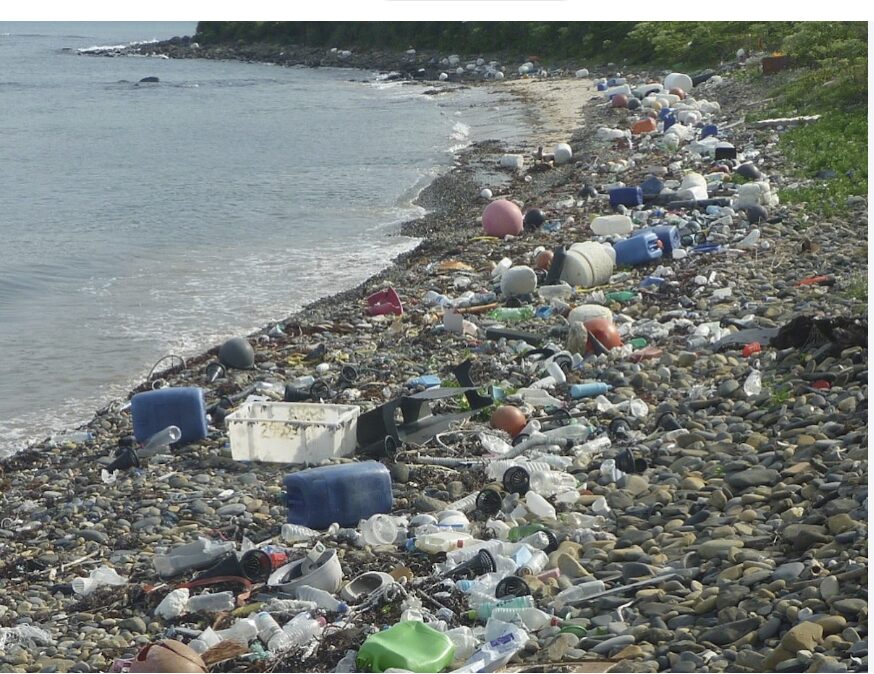
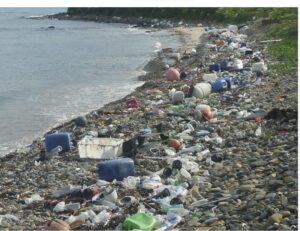
In 2024, my family and I travelled around Japan. It felt a little strange — we hadn’t been back for seven years. But the thing that stayed with me most was a huge pile of plastic I saw in the ocean. My first thought was, why? Then I realised this had probably been happening since I was a child. Plastic simply doesn’t go back to the soil.
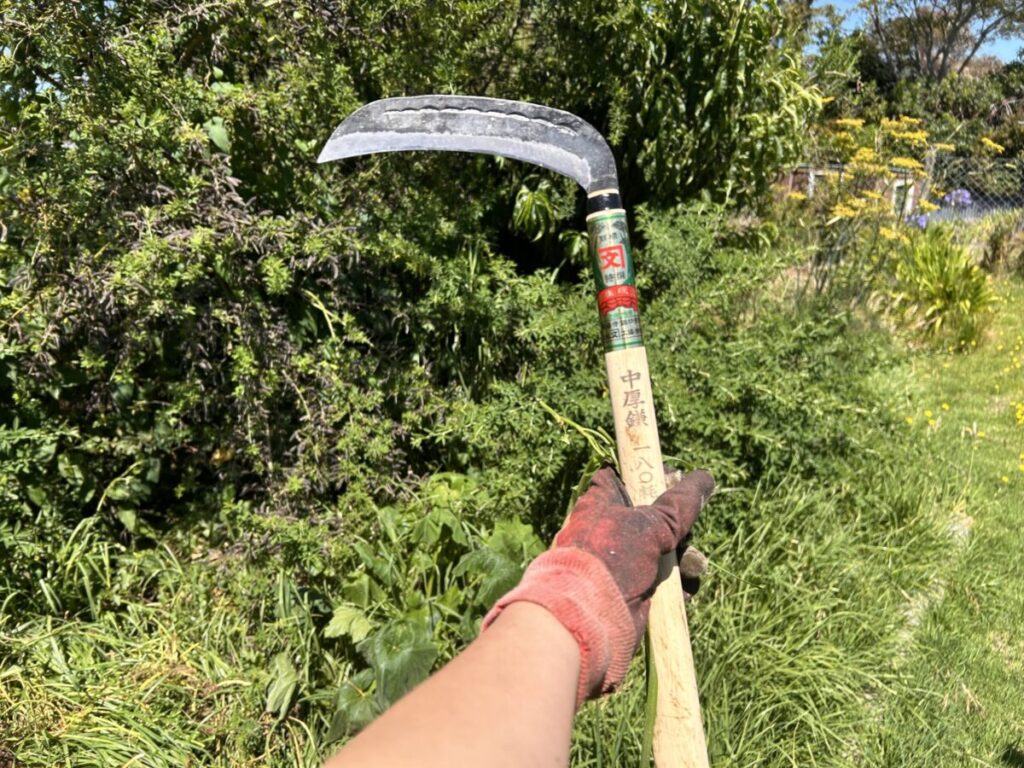
While I was learning permaculture, something clicked for me. The planet isn’t only for humans. In fact, it was never ours to begin with. We have to look after it. These are the three ethics at the heart of permaculture: care for the earth, care for people, and fair share.
Back home in Whanganui
When we came back to Whanganui, I heard the council had cancelled the kerbside compost collection, and that we would move to home composting instead. I thought, that’s great news!
But some people were disappointed. Why?
I had assumed that maybe half of Whanganui was already composting and growing beautiful gardens. But the data said only about 30% of households were. Only 30%? So more people are throwing their kitchen scraps straight into the rubbish bin?
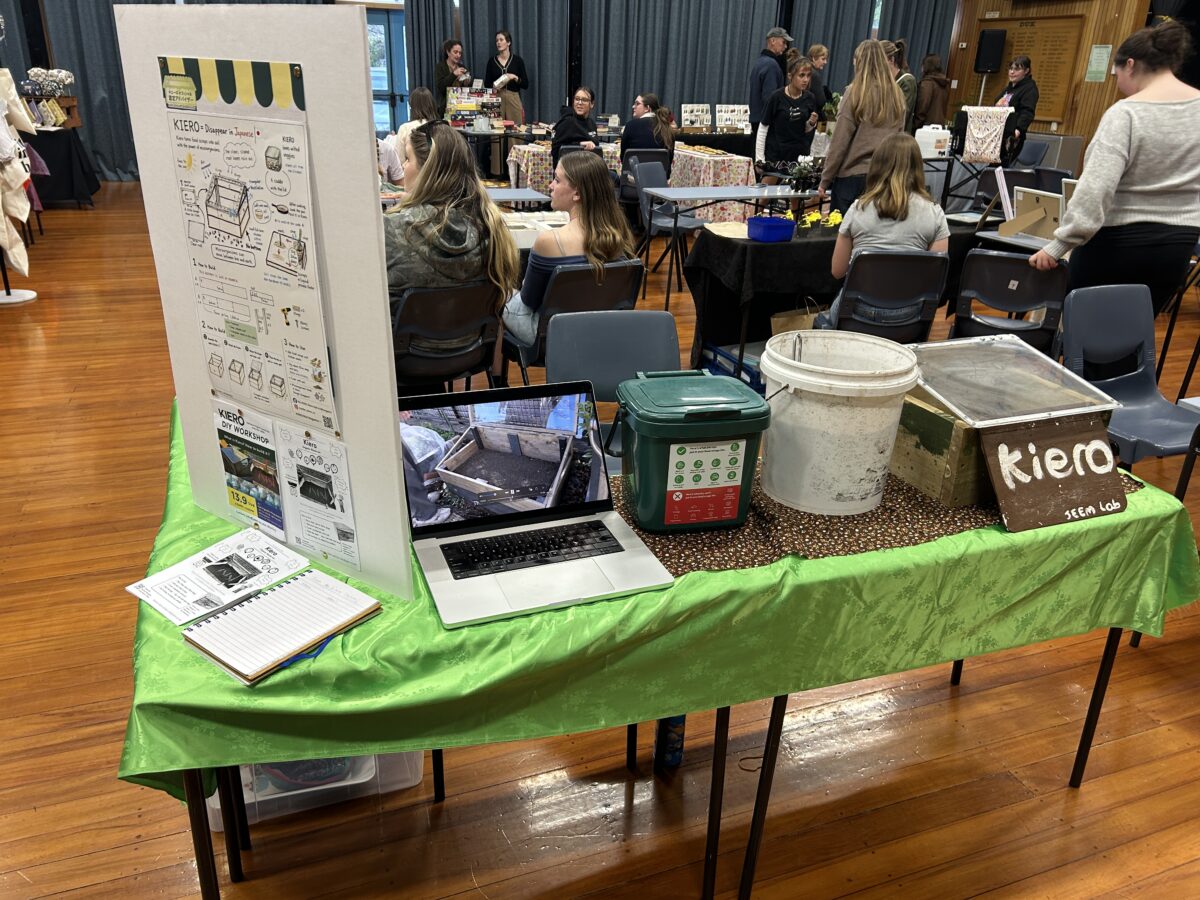
That’s when I thought of Kiero.
So, what is Kiero?
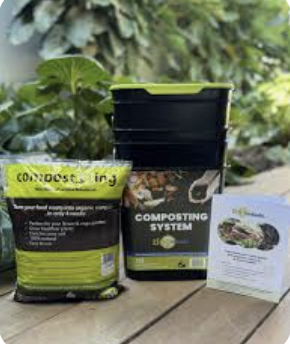
I’ve been using a Kiero for more than three years, and in all that time I’ve never thrown food into the rubbish. To be honest, I also have a compost bin, a Bokashi bucket and a worm farm — but that’s because I’m a gardener.
Kiero is different. It’s the one I would recommend to someone who doesn’t garden at all.
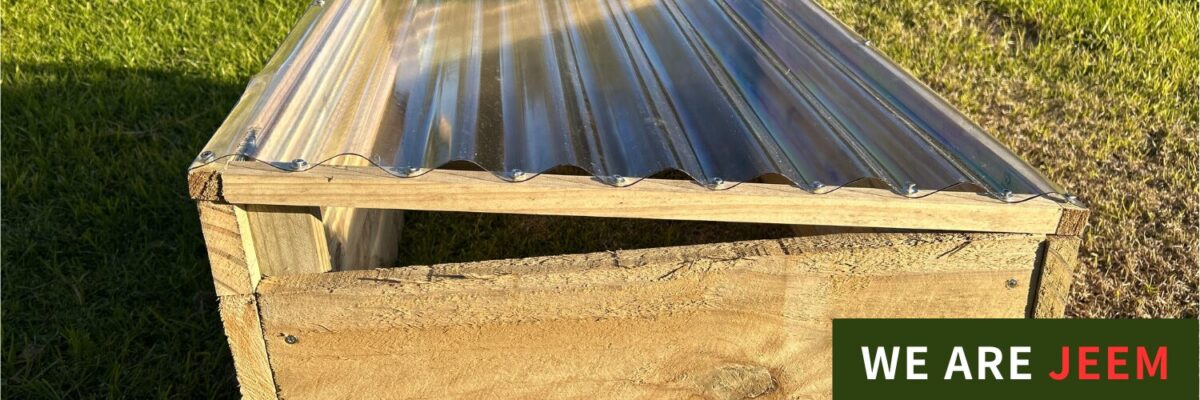
Here’s why. A Kiero isn’t a compost system. It doesn’t make soil, and the soil inside doesn’t grow or build up. You don’t need to turn it or rotate it. It just sits in one spot. You bury your kitchen scraps, and within about a week — with a bit of heat — they simply disappear back into the soil.
In Japan, people are always amazed by that moment. But it just the nature does. Of cause.
Why I want to bring it to Whanganui
Actually we don’t need a big spending money and facility to get rid of the waste if we start to Kiero ( or Compost ) at home.
Watch what the soil and the microorganisms do — how they quietly break things down. And you learn something important along the way: even a tiny piece of plastic will not break down in the soil. You see the result with your own eyes, in about a week.
That, for me, says everything.It’s a simple change — just five minutes — to help the planet and our future. For our children.
That’s what I want to do.