Hi, I’m Mariko, a permaculturalist living in Whanganui, New Zealand.
I share my experiences of “Play, Live, Work, and Learn” — that’s my lifestyle!
In Whanganui, the local government had planned to start collecting household food waste last year.
However, after spending several years purchasing and testing composting machines and preparing kitchen scrap bins for households, the plan was cancelled due to strong opposition from many residents.
Why we start composting at home.
I believe many people here enjoy gardening, raising chickens, and processing their own food waste at home. That may be one reason why not many scraps would actually go to the central composting machines. Even though our tax was planned to be higher. It put us off really…
However, it is said that 30% of Whanganui’s total waste consists of household food waste. Another 20% comes from garden waste, including wood, grass clippings, and animal manure. If properly processed, nearly 50% of these resources could be returned to the soil.
It feels like such a waste to simply throw it away.
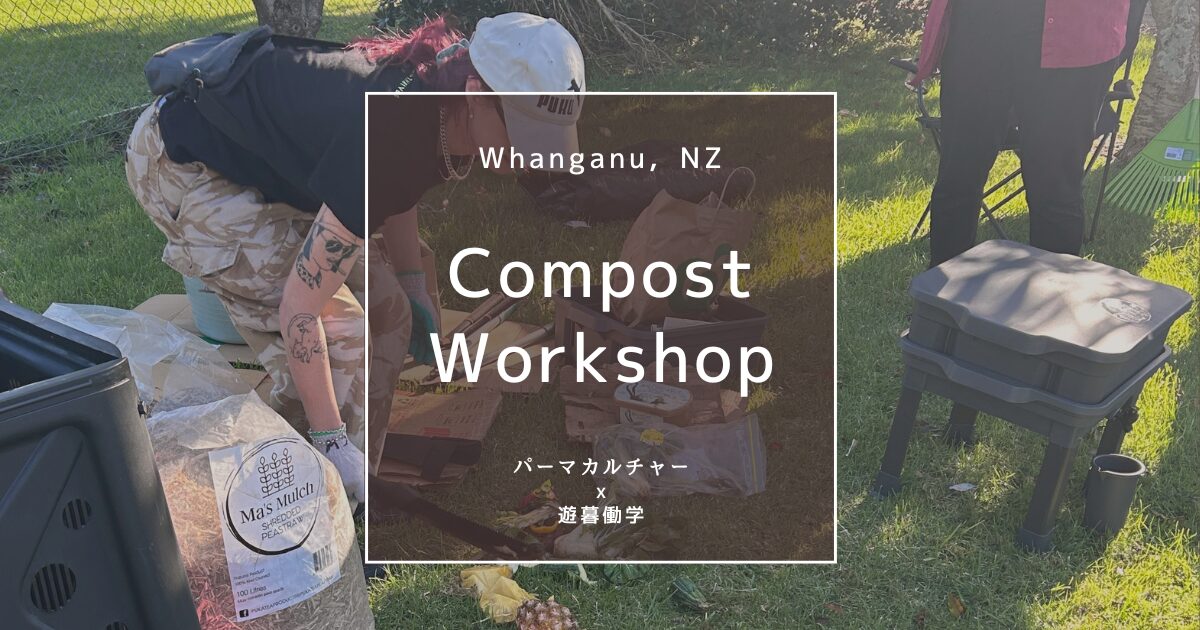
That’s why processing food waste at home is essential. The city has now started offering composting workshops.
Types of compost to watch out for
The composting project promoted by the city mainly introduces three popular methods:
Compost bin
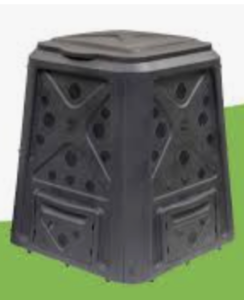
The idea is that by adding a balanced
mix of brown materials (dead leaves, cardboard, etc.) and green materials (leaves, food scraps) and stirring regularly, you can create high-quality compost.
Earthworm Farm
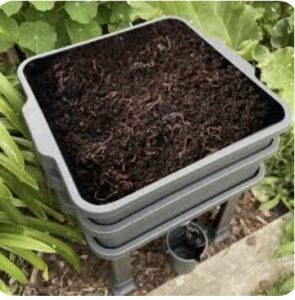
Finely chop up food scraps that will serve as food for earthworms and add them to the tank. Food scraps are finely chopped and added to a worm bin as feed for earthworms. The worm castings and worm tea can then be used as fertiliser for your garden.
Bokashi
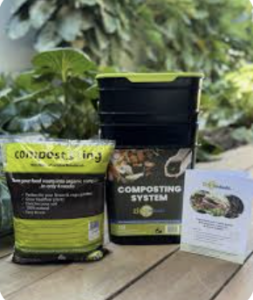
You can put in almost anything, including food scraps and leftovers .
Furthermore, we add Zing, a mixture of wood shavings and microorganisms (EM),
to promote fermentation.
Afterward, it is added to the field and mixed with the soil before use.
“Bokashi” sounds like a Japanese word, doesn’t it?
Yes, Bokashi is Japanese EM bokashi.
They have a factory in Christchurch.
EM is a cultured microorganism developed in the 1980s by Professor Teruo Higa (now Professor Emeritus) of the Faculty of Agriculture at the University of the Ryukyus in Okinawa. At the time, it was not accepted in Japan, but when it was introduced overseas, it began to attract the attention of researchers abroad. Subsequently, EM was recognized all over the world, and Japan had no choice but to accept it as well.
Workshop feedback
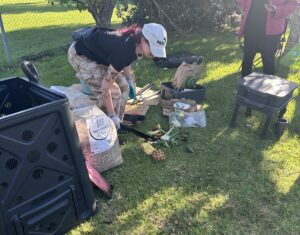
The workshop instructor, Lily, has extensive knowledge.She have studied permaculture and horticulture, psychology, and having been involved in composting projects overseas.
The workshop not only explained how to use compost, but also included explanations of microorganisms and the workings of nature, and even explained that the appearance of insects, which humans tend to dislike, actually helps in soil decomposition. It was very helpful for when I hold the Kiero workshop that I am aiming to do!
The workshop participants also received a $40 discount coupon for compost-related items. Also a free ( well, it was from our tax) compost caddy which had originally been prepared for the cancelled collection system
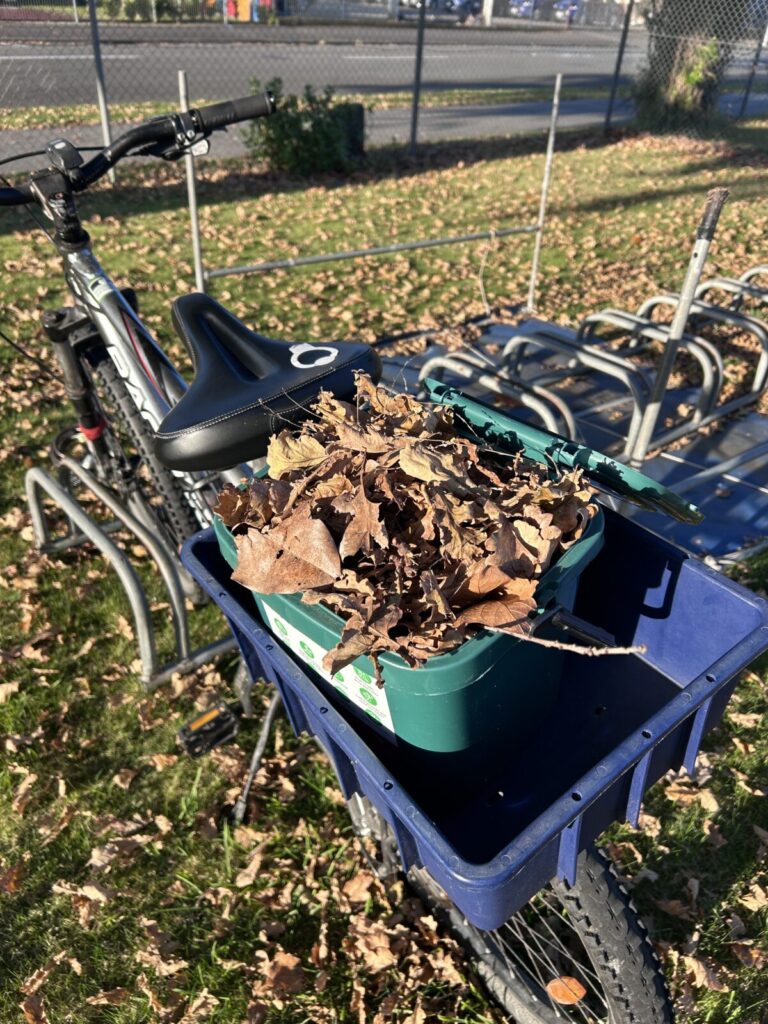
I decided to make good use of the opportunity — I filled a bucket with fallen leaves and brought them home to start composting for my winter garden.