What’s did we experienced in Japan?
In 2024, I returned to Japan for the first time in seven years and travelled across the country with My husband and two daughters.
Despite my excitement that journey left me with an unexpected ache in my heart.
It was the waste we created simply by travelling.
In our daily life in New Zealand, we compost, recycle, and do our best to minimise household waste. But while travelling, we had no access to composting systems and had to follow each accommodation’s disposal rules.
Cooking every day wasn’t always possible, so we often relied on convenience-store meals and supermarket bento box. The amount of plastic waste we produced was startling.
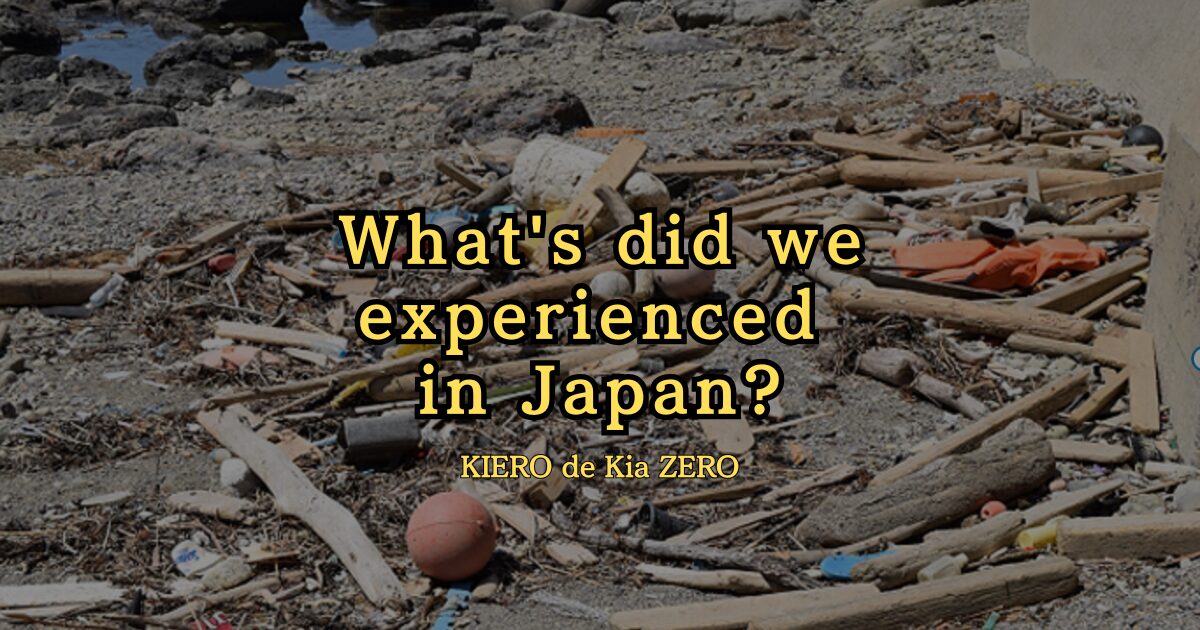
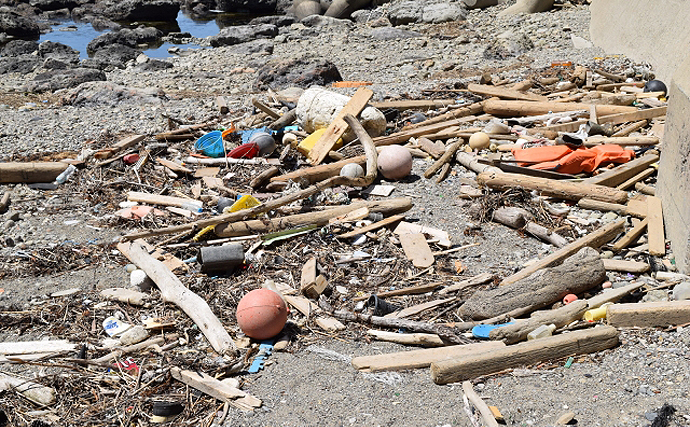
And on top of that, seeing the sheer volume of marine debris along Japan’s coastlines was overwhelming.
Piles of rubbish washed up on beaches—an image I still can’t forget.
Back to New Zealand
When we returned to New Zealand, I faced another problem in our city, Whanganui: the food scraps collection program had been cancelled.
At first, I thought I would agree with this decision, since many households have gardens and compost at home. But according to the local rubbish collection reports, food scraps actually made up the largest portion of household waste.
Kate, a waste educator and adviser who travels around New Zealand, told us she was disappointed with this decision. It made me stop and wonder…
Introduce Kiero de Kia ZERO
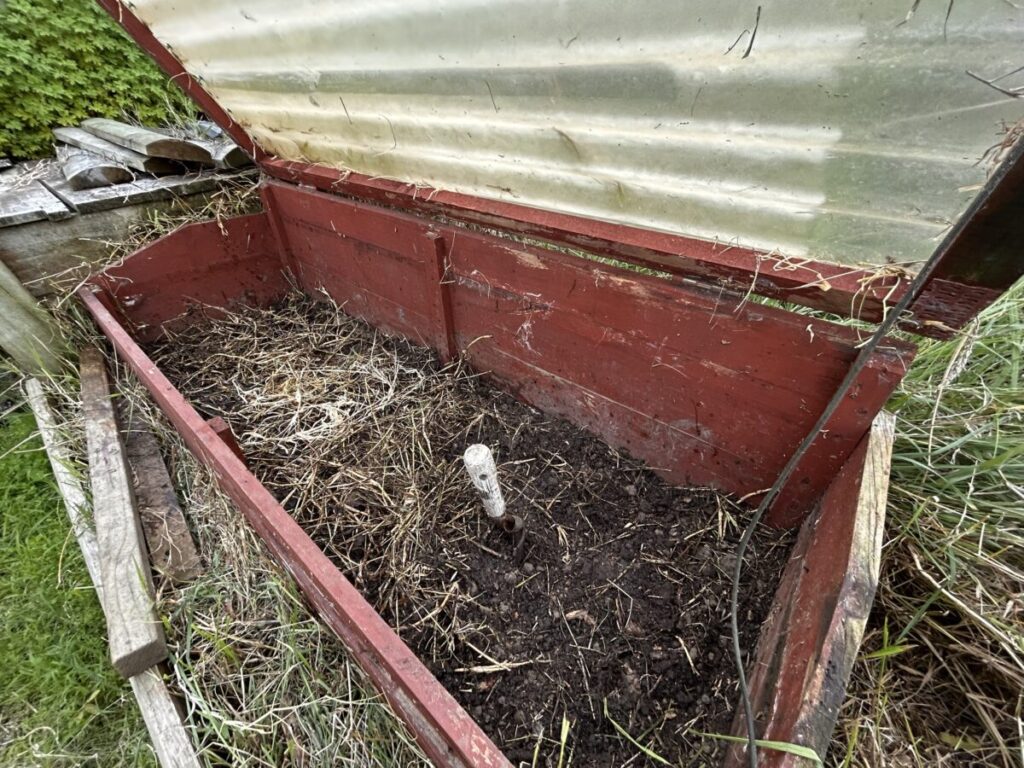
Having already used Kiero in my garden for three years, I immediately thought:
“This is exactly where Kiero can make a real difference.”
With Kiero, we can turn our kitchen scraps into compost right at home. It’s easy for anyone to use, and if every household had one, it could make a huge impact on the environment.
For now, I’m doing this on my own. But one day, when more people discover Kiero’s brilliant concept, my mission will be to teach them how to operate it and show just how effective it can be.
I’m not a natural storyteller, but I put my heart into every part I can share.
So I hope someone will join me soon.