Plastic Free July Talk in Whanganui
Hi, I’m Mariko, a permaculturalist sharing my experiences of
“play, live, work, and learn” from New Zealand!
This July is Plastic Free July, a global initiative. It’s a good time to reconsider how we use plastic, what we buy, and how we recycle — and to think about the waste problem once again.
The recycling situation in New Zealand
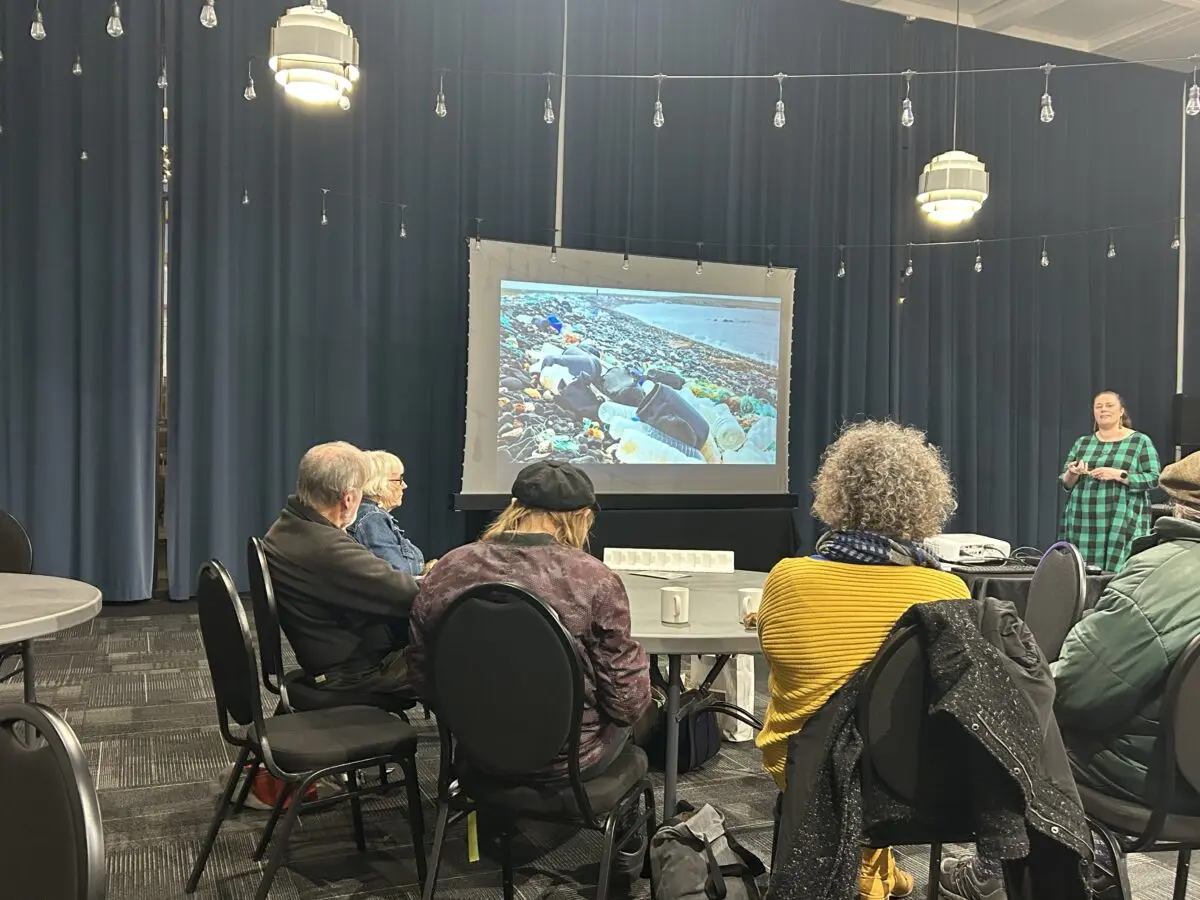
I attended a talk and workshop on plastic waste, co-hosted by Whanganui Council and Sustainable Whanganui.The topic that caught my interest that evening was plastic bottle recycling.
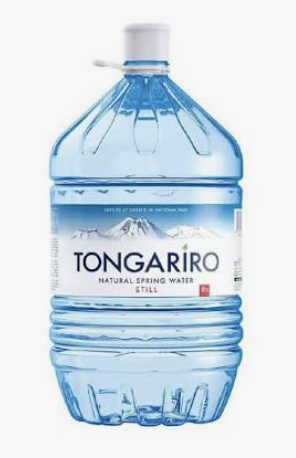
In New Zealand, many people buy bottled water, and the large water bottles come in sizes ranging from 5L to 15L.
No. 1 plastic (PET bottles) is generally recyclable. However, coloured plastic — even if it’s labelled No. 1 — can’t be recycled in New Zealand and is sent overseas. On top of that, larger coloured bottles are considered oversized and can’t be recycled at all. And even when they’re sent overseas, there’s no guarantee they actually get recycled.
What about incineration?
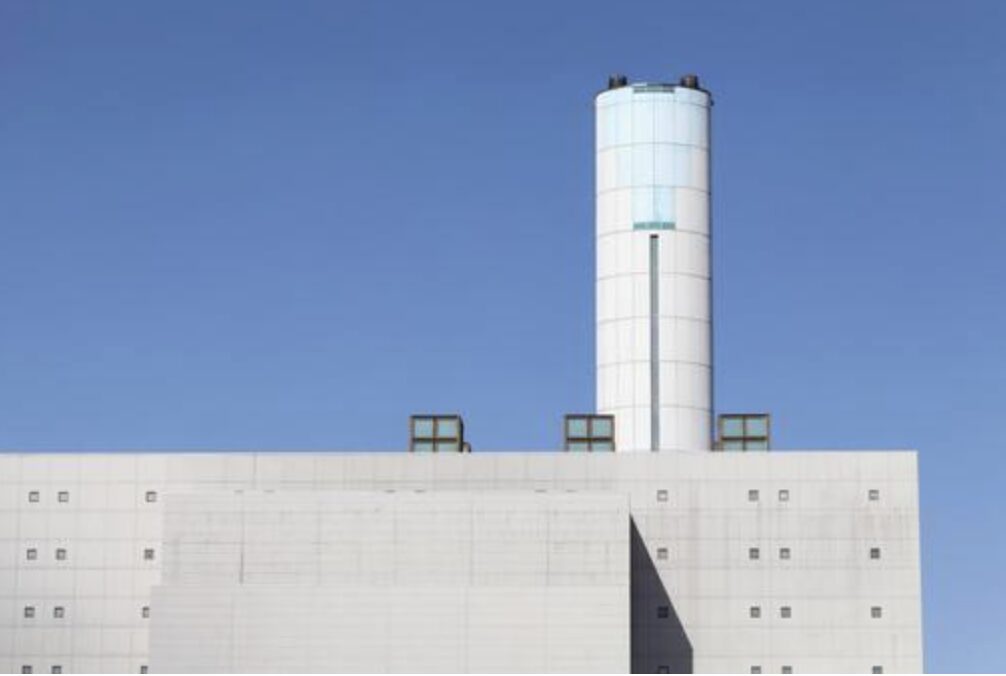
In Japan, plastic is incinerated. Plastic bottles are made from petroleum, so they burn very easily — in fact, they can be used as fuel to help burn food waste, since most of food waste is water, and burning water takes a lot of energy.
But New Zealand has no incinerators, so waste goes to landfill. Waste that can’t be processed domestically is sent to Malaysia. Cardboard used to be sent to China, but China has since said,
‘No more — we don’t need any more.’
I wonder if Malaysia will also say ‘we don’t want it’ in the future. If that happens, where will the waste go? Perhaps Japan will take it for us, for their incinerators? After all, the incinerators have to keep running — even as people try to reduce their plastic use.
Surprisingly, some things can be recycled
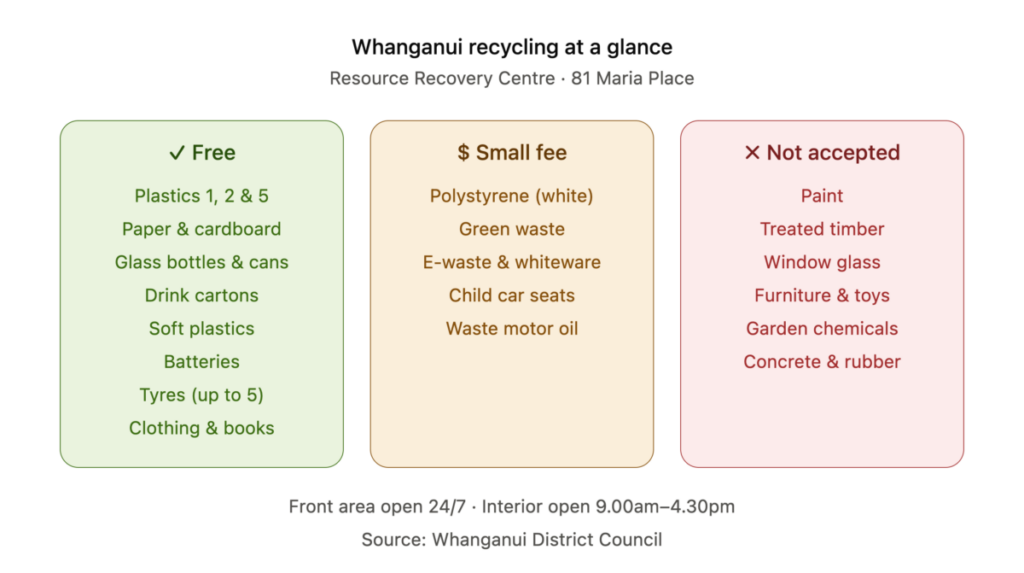
Also, Sustainable Whanganui Enviro Hub ( 23 Drew Ave, Whanganui ) takes some re-useable plastic containers.
Surprisingly, some items can actually be recycled in New Zealand: toothbrushes, toothpaste tubes, soft plastics (packaging), and even light bulbs. These are part of product stewardship programs, where the company takes responsibility for collecting the waste from its own products. Ka Pai!
There’s a reason for the colour change
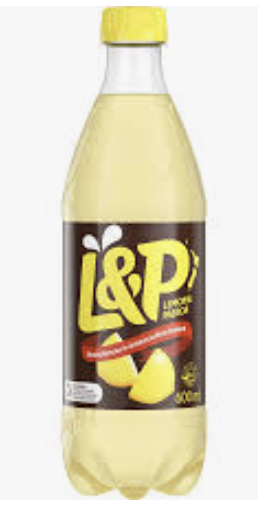
In recent years, the bottle of L&P — the lemonade that Kiwis have loved for generations — has changed to clear.
They say the taste hasn’t changed, but somehow It tasted weak to me. Packaging colour is a strange thing! But apparently, the switch to a clear bottle was made to solve the problem of coloured bottles being un-recyclable. (Well done, Coca-Cola Company.)
For my Kiero action for the future
At the end, the host said this:
“We are a team! Let’s take action together, all of us who have gathered here.”
I’ve realised that no young generation was there. Perhaps they were still at work — but I found myself wondering how to attract their interest, thinking ahead to when I’ll be holding my own Kiero workshops.
Actually, I heard some great news at this event! I really want to write about it here, but it would make this post far too long — so keep in touch with me on my newsletter!