My first market is over, I can see more clearly what I need to do and what challenges I need to face for introduce Kiero from Japan to New Zealand.
My Permaculture life
After taking the Milkwood Online Permaculture course, I felt like I had a mission to “spread permaculture” and began to act, but for a while I was unconfortable.
You might be wondering why?
However, once people start learning about permaculture and taking action, I think many of them begin to worry that their thoughts and actions are not in sync.
for example,
- Don’t produce trash but I can’t give up buying a plastics.
- Repair rather than buy but I don’t want my kids to be sad.
- We value the lifestyle of handicrafts, just like in the old days… it’s too tough.
Even if you gain knowledge through such a beautiful nutritious course, it is difficult to transition to your ideal lifestyle quickly. It may be easy to do it alone, but it is even more difficult to get your family, who are satisfied with modern life.
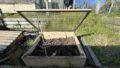
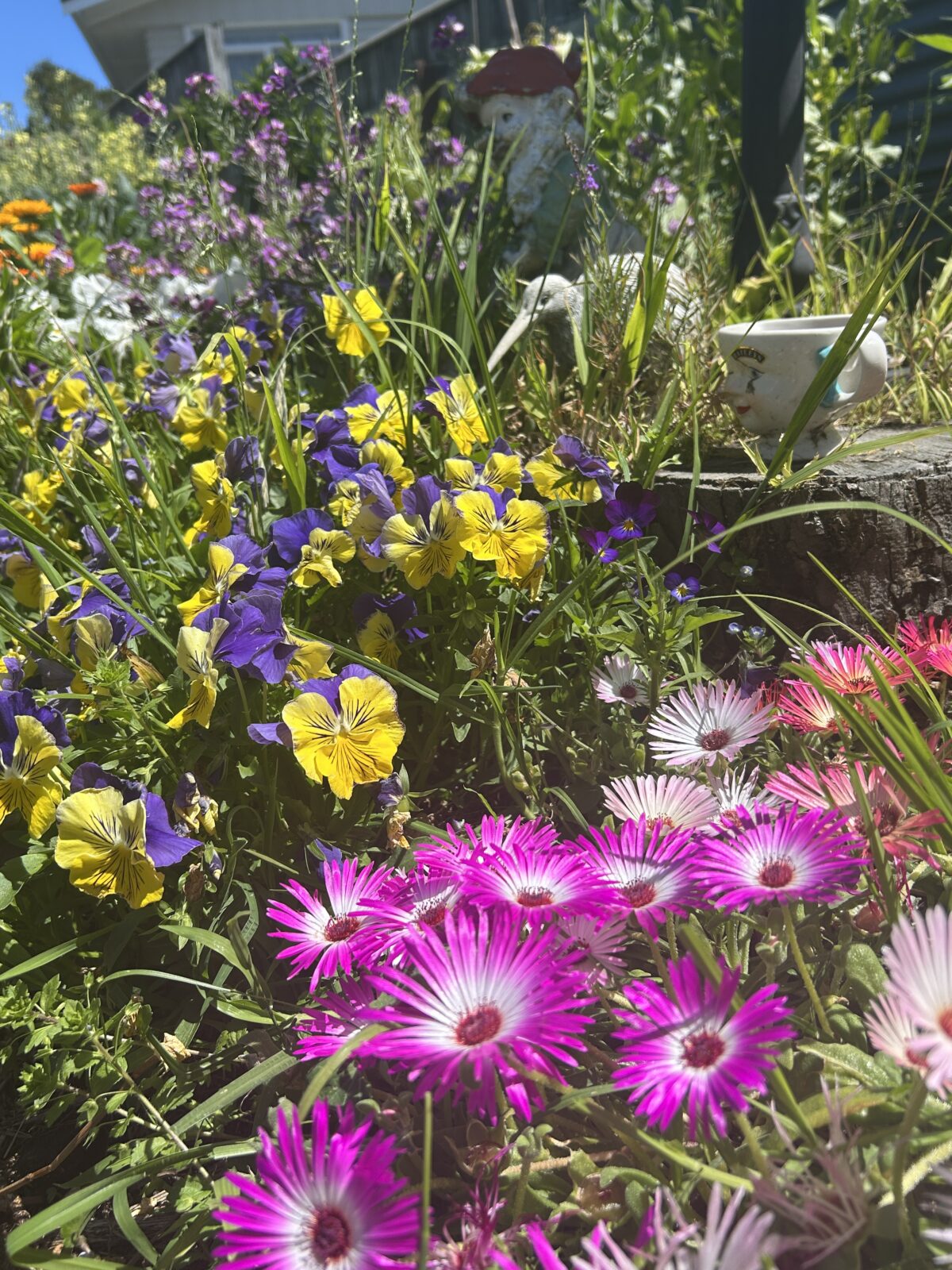
The contradiction between ideals and reality, the “waste” that comes from one’s own actions. And the fields that don’t use chemicals or fertilizers are eaten by insects, and they can’t even grow food for us. There was previous information that it would take three to five years for the polluted soil to improve, but even so, I felt sad to see that is like a neglected garden. All I could do was “just have faith and wait.”
The neighbours were complained about the weeds, I felt sorry to my husband. The reality of being a permaculturist was very harsh.
When you’re dealing with nature, time passes slowly and your condition may not improve immediately.
All we can do is wait for many years to come…it’s like wandering through an invisible tunnel.
I think I was on a journey of several years searching for what permaculture meant to me.
Kiero and Permaculture
And then I met Kiero.
Kiero is a food waste disposal tool that uses the power of nature.
In fact, it has been in our home since we started permaculture.
My first encounter with Kiero was when I saw a gardening YouTuber from overseas throwing food waste into a box of soil on her balcony. I think it was a balcony compost. But then I learned about Kiero. And I discovered it was Japanese invention.
I immediately asked my husband to make one for me.
When I first used Kiero, I was surprised and impressed to discover that food waste really does “disappear.”
With Kiero, food waste really does magically disappear.
Of course, it’s not “magic.” The answer is the existence of “microorganisms” that live in the soil.
Microorganisms are living organisms with a diverse range of shapes and abilities, estimated to number in the billions, and bacteria are also part of this group.
And it can be said that microorganisms are the root of permaculture.
I became interested in the natural processes of fermentation. I realized that the environment around us is interconnected in many ways, starting from the invisible microorganism stage.
For Japanese people, microorganisms are very familiar in our daily lives.
Introducing Kiero to New Zealand
In 2025, Wanganui where I live had plans to start collecting food waste by the local government, but the plan was shelved due to strong opposition from residents.
Food waste collection has been in place in cities like Auckland for over 10 years, but in Whanganui, many people are able to dispose of their food waste at home by composting it or using it as chicken feed.
However, not everyone can do this:
some people are busy at work, some are elderly, and some don’t need composting.
One day, I had the opportunity to attend a workshop, “Wast ED with Kate” in New Zealand.
(This is a nostalgic old blog from when I first started blogging ☟)
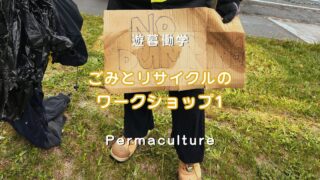
There, I learned about the reality of waste disposal in New Zealand (all waste in New Zealand is disposed in landfills). I learned that most of the waste in New Zealand is food waste.
Food waste will return to the soil and can be done at home.
“The Kiero will be useful for the small town of Wanganui.”
I couldn’t help thinking…
Communicating with New Zealand through an English blog
I moved to New Zealand 20 years ago,
and English and Japanese are intertwined in my mind. Both are my own language, and neither is my own.
I can’t really get what I want to say across…but it’s okay.
That’s how I spent my days.
However, as my children grow older and I have more time to myself, I start to feel like I can’t continue like this.
About a year ago, after traveling across Japan with my family, I returned to New Zealand and decided to start afresh and share my permaculture through a blog.
I decided to add Google Translate’s automatic translation button. Google Translate has improved dramatically since a few years ago, and it now converts my true feelings into natural, easy-to-understand English.
Thanks to that, my husband finally got to know the feelings I hadn’t been able to express well in English. Now he fully understands what I do.( OR NOT?)
However, Auto-translation can sometimes result in slight misunderstandings.
And then, here comes AI.
While there are voices of concern that “AI will eliminate jobs,”
for me, a tool that allows me to communicate in English
Thanks for ChatGPT.
Urgent notice!
Now, I am planning to offer a free Kiero online course. (in English)
This Friday, November 27th, from 6:30PM in NZ time for 35 minutes.
I don’t know if It will easy or not? I haven’t ready for it. However…
The date and time may be subject to change due to circumstances on our part. (We will do our best to hold the event!)
It is challenging for me to do something new and it’s in English. Although happy to have someone to help make it fun with me.
If you contact me using the inquiry form below, we will provide you with the ZOOM address. We appreciate your cooperation.
Enquiry form